about us
Educating Beyond Barriers
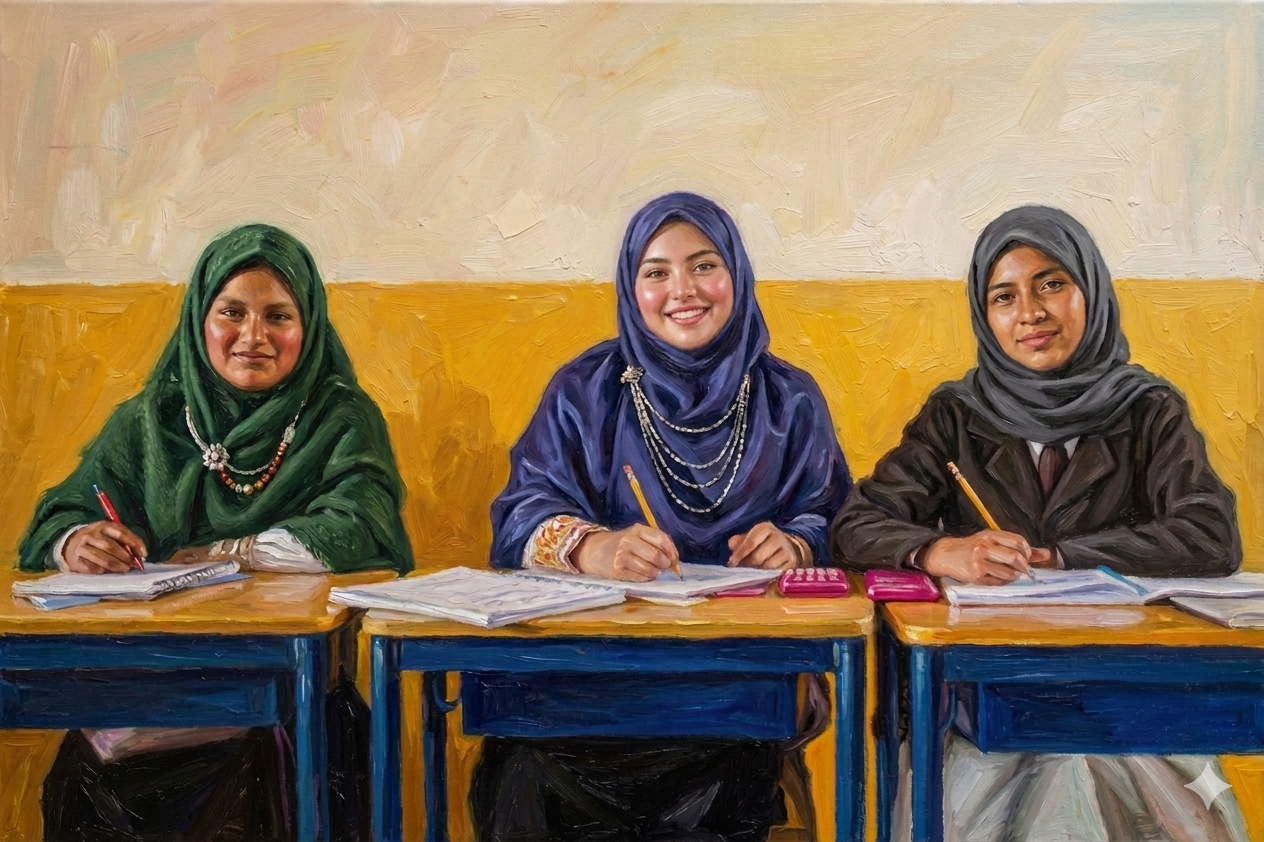
EBB is a social-impact initiative born from one teacher’s daily walk home, and the stories she carried with her about girls whose education had been cut short.
What We Stand For
Mission
To empower girls in rural Sindh through education and economic opportunity, enabling them to uplift themselves and their communities, by addressing the invisible barriers that prevent them from continuing education.
Vision
To build a generation of educated, confident, and self-reliant women who become role models and agents of social change across Sindh and beyond.
Our Approach
Community Ownership
Dignity in Learning
Sustainability through Empowerment
A teacher, her father and the girls who were left behind
Sana Ijaz has been teaching in Sindh since 2021. Every evening, on her way home, she would share stories with her father, stories about her students, about girls in the communities whose families pulled them out of school after matric, sometimes even earlier. These weren’t statistics. They were girls she knew by name. Girls who were capable, motivated, and then simply gone, pushed into early marriage, into domestic work, into a future that had been decided for them.
She kept asking a question: What can we do for these girls? Now, that question has became EBB, empowering beyond barriers. EBB started with 3 girls. No funding. No office. One devoted educator, and a belief that if you bring education to where girls already are, their homes, their villages, families will say yes.
They did.
People Behind EBB
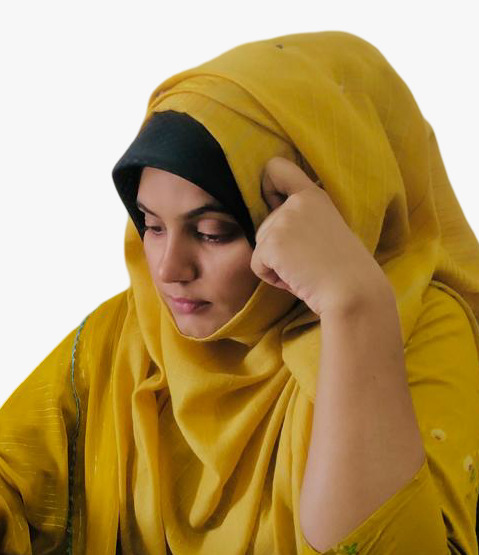
Sana Ijaz
Founder & CEO
Sana grew up in Sindh, supported by a father who believed in her education at a time when that wasn’t a given. She has been teaching since 2021 and knows firsthand what happens when a girl is told her education is over, because she has lived through similar situations herself, multiple times.
She didn’t write a business plan first. She went to the villages, talked to the families, found girls who had been pulled out of school, and supported them to continue education. She manages the Devotees, coordinates with families, handles exam registrations with the Sindh Board, and personally visits Knowledge Seekers at their homes.
I was deeply moved by the reaction of one of our first Knowledge Seekers. She was overjoyed simply to pass her matric. Tears streamed down her cheeks, not just from joy, but from the first ray of sunlight she could see after years of darkness. That is why I want every girl to dream again.
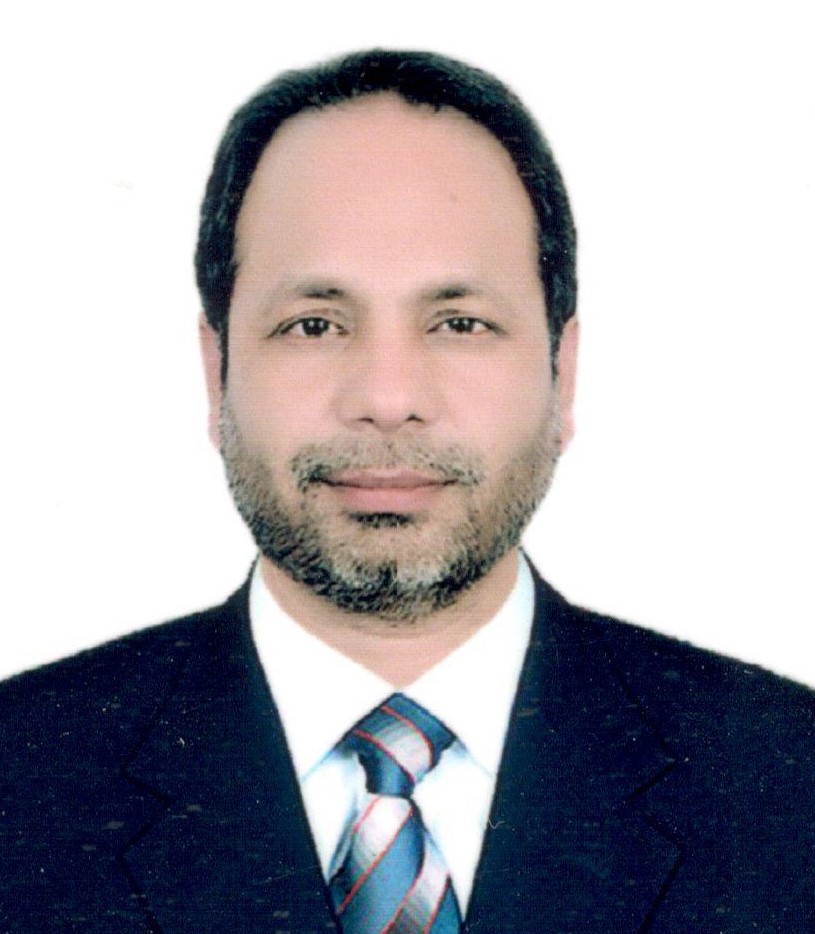
Nadeem Yousaf
Crafter
Nadeem is the person who gave EBB its structure. Working closely with Sana, he listened to the stories of girls whose education had been interrupted by forces beyond their control, and helped turn those stories into a replicable model, the Knowledge Seeker and Devotee framework, the Knowledge Points system, the economic empowerment component, and the operational logic that makes the whole thing work.
His role, ,”Crafter”, reflects what he actually does: he didn’t design EBB from a theory. He shaped it around real narratives of struggle, resilience, and hope that Sana brought to him from the field. The result is a model that respects cultural boundaries while creating genuine pathways to education and income.
Working closely with Sana, I had the privilege of listening to the feelings, experiences, and desires of girls whose stories too often remain unheard. EBB is more than a program. It is a promise, rooted in passion, guided by commitment, and driven by the belief that every girl deserves the opportunity to learn, rise, and shape her own future.
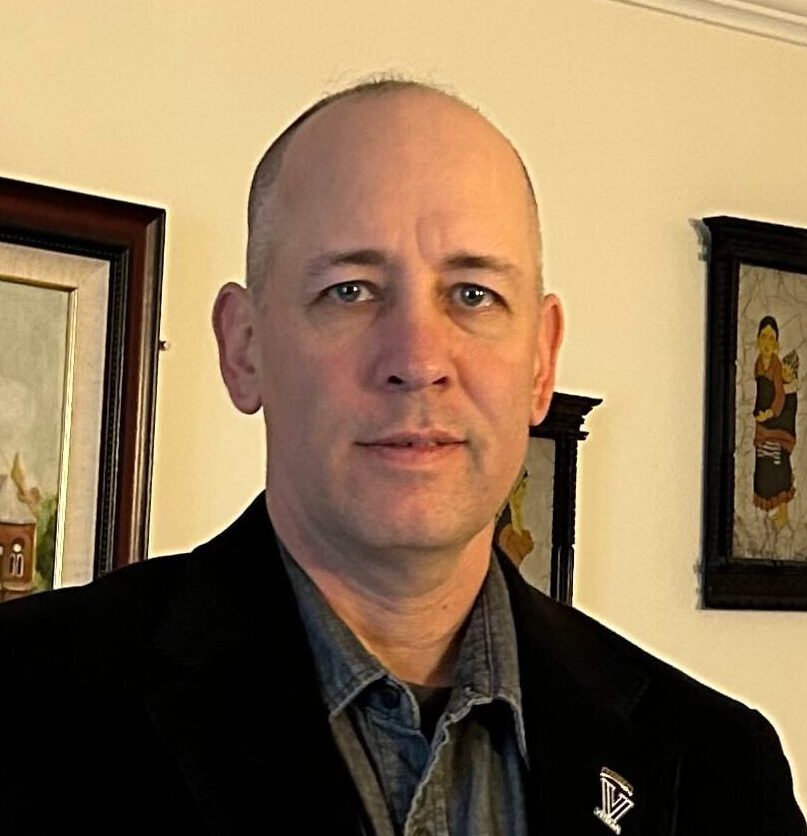
Joe Evans
Mentor
Joe brought something EBB needed at a critical moment: strategic guidance, and a willingness to provide financial support. Having served as US army and leading several peacekeeping missions across South Asia, he didn’t need a project proposal to understand the barriers girls face in rural Sindh, he had seen them firsthand.
Joe now serves as a mentor, advising on organizational development and partnerships.
Through the tireless efforts of the staff and remarkable courage and determination of the participants, these young women are clear examples of how opportunity can lead to the knowledge, leadership skills, and confidence to fully flourish.
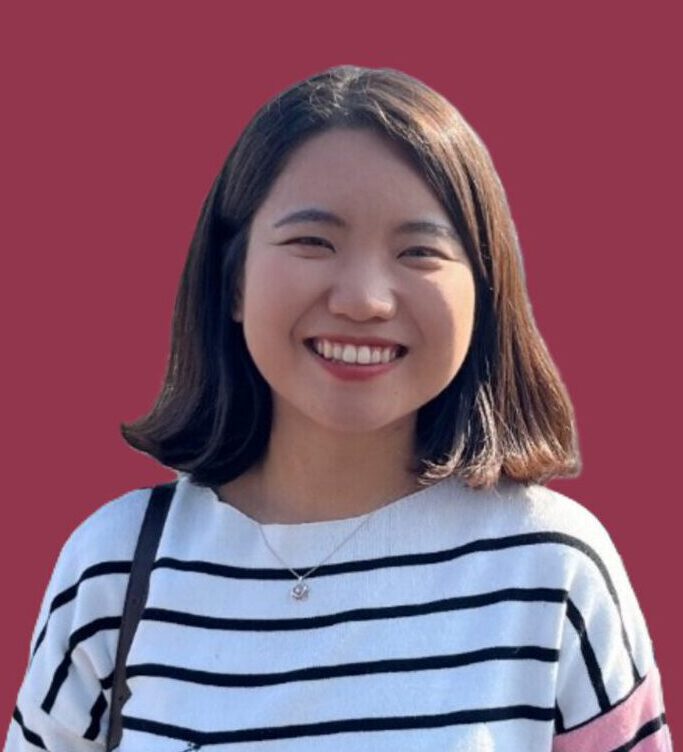
Hyunjung Cha
Digital Lead
Hyunjung joined EBB as Digital Lead, building the infrastructure that connects EBB’s work in Sindh to the wider world, the website and digital tools that make it possible for people outside Pakistan to understand and support what’s happening on the ground. She brings ten years of experience in international development across program design, M&E, field implementation in rural Tanzania, and leading learning and knowledge management at NGOs and UN agencies.
She is based in the Netherlands and works remotely, managing the communications, digital strategy, and M&E side of EBB’s operations.
The world is deeply unequal, and so much of a person’s life is shaped simply by where they were born. I’ve always believed that being in a position to help is reason enough to act. When I met Sana and Nadeem, I found exactly the kind of people I believe create meaningful change: small scale, committed, and close to the ground.
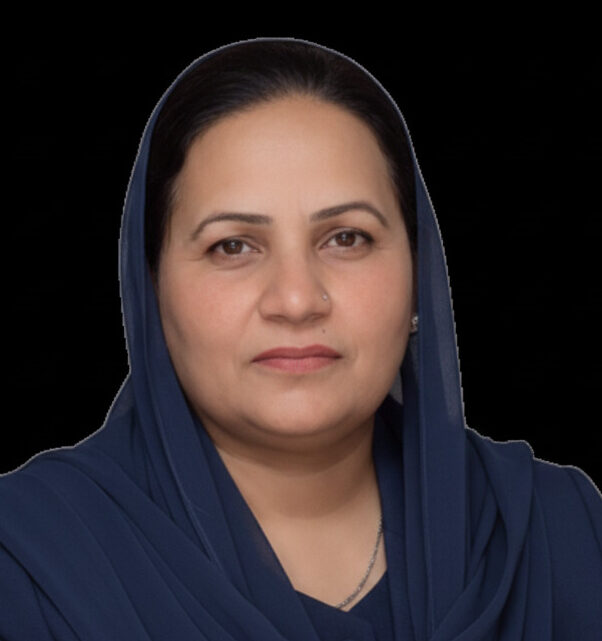
Parveen Bibi
Business Advisor
Parveen Bibi is a beautician, dress designer, and vocational trainer from Sindh with four years of experience training women in beauty, tailoring, and small business management.
As EBB’s Business Advisor, she guides Knowledge Seekers from their first business idea through to their first sale, pricing, customers, income planning, all of it. She knows the communities, and with her experience, she knows what works. And she’s committed to helping young women build something that lasts.
Teaching a skill is only the first step. Guiding a woman to earn from that skill is what truly changes her life. Through her training and mentorship, Parveen Bibi is enabling women to move from learning to earning and from dependence to independence.
Educating Beyond Barriers
We believe that every girl regardless of geography or background, has the right to education, confidence, and economic independence.
When girls are educated, families thrive, communities progress, and cycles of poverty are broken.