Why It Matters

When girls are educated, families thrive, communities progress, and cycles of poverty are broken.

The Reality

25 Million

children in Pakistan are currently out of school (UNICEF, 2025), the majority of them girls.
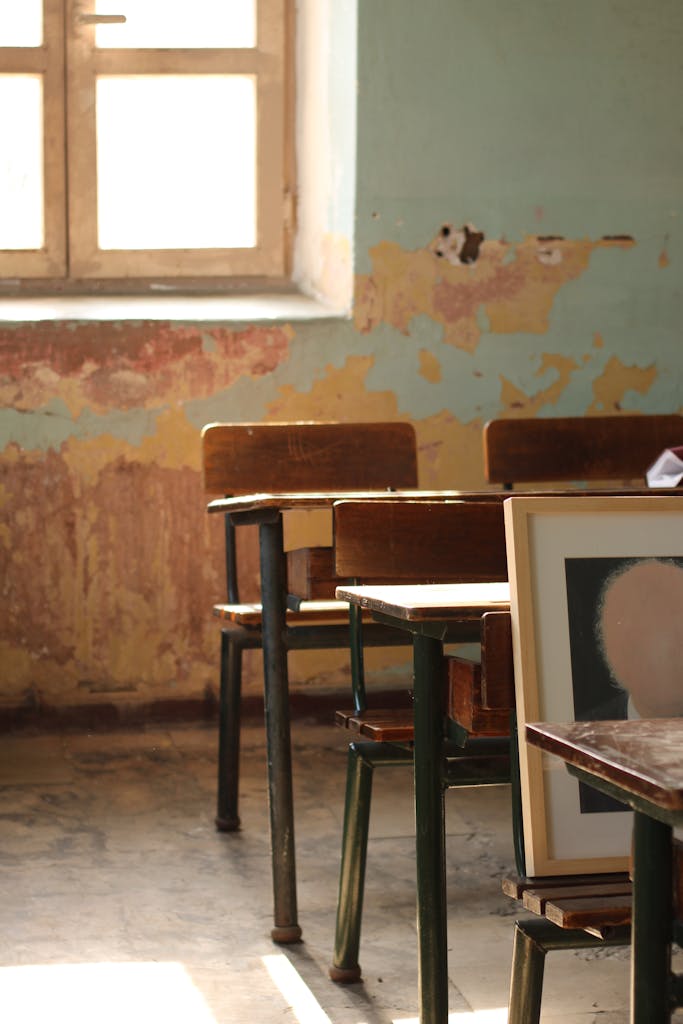
Sunlight spills onto vintage desks in an abandoned classroom, showcasing peeling walls and nostalgia.
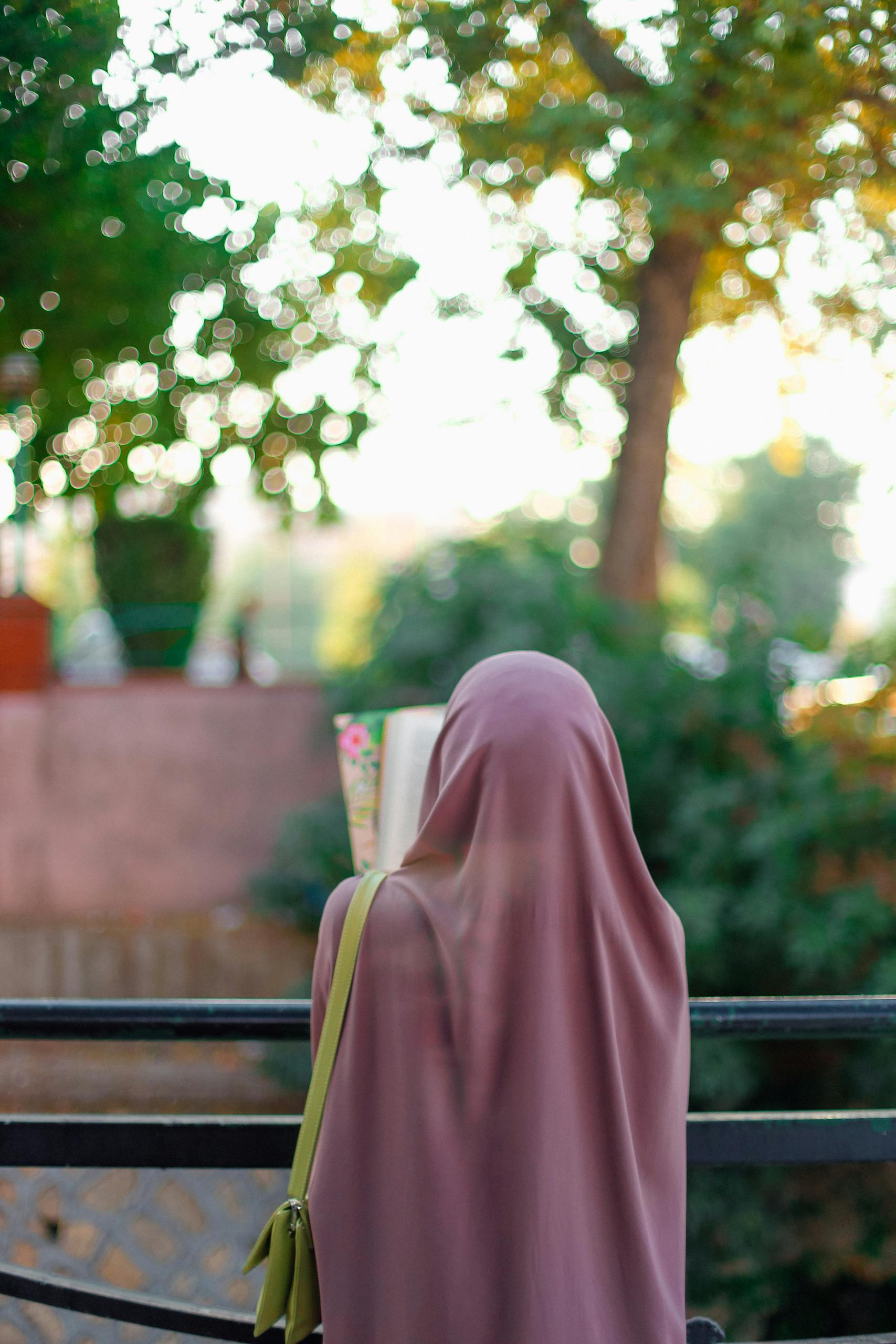
A woman in a hijab stands with her back to the camera, looking over a metal railing with a blurred outdoor background.
In Sindh region,

63%

of girls in secondary school never reach graduation.

But the numbers only tell part of the story.
Behind each one is a girl with her own dreams.

Why does EBB support girls in higher grades?

Secondary education is the harder and more important problem to solve.

As girls enter their teenage years, cultural pressures intensify. Early marriage becomes a real threat. Mobility restrictions tighten. Families that supported primary schooling begin to hesitate. These are not simple access problems, they require trust, community engagement, and sustained presence.

Exam fees, registration costs, study materials — all rise significantly at secondary level. For families living on daily wages, even modest costs can end a girl’s education permanently.

In many parts of Sindh, girls’ secondary schools simply do not exist nearby. The nearest option may require transport that is costly, unsafe, or culturally unacceptable. EBB’s model brings education to where girls already are.

Significant resources have gone into getting girls into primary school. But without support at the secondary transition, those years of progress can amount to nothing. Supporting girls through to completion protects what has already been invested.

Why Girls are dropping out at this point

The transition at Grade 10 is the most fragile stage for girls’ education. At this point:

Costs rise

Fees, materials, and transport become unaffordable overnight

Families need income

Girls are expected to work, not continue studying

Marriage pressure

For many families, matric completion is seen as the natural endpoint

Mobility shrinks

Cultural norms that were manageable at 12 become rigid at 16

Without intervention, even high-performing girls are forced to abandon their education at exactly this moment.

What Happens When Girls Leave School

When a girl is forced out of school, she loses more than a seat in a classroom. She loses the power to choose her own path – who she marries, how she leads, and what she believes is possible. The cycle of poverty doesn’t just continue; it hardens.

We know education changes this. The evidence is clear, and the demand is real. The only question is how we tear down the barriers that stand in her way.